
1. Introduction to Civic Sense
What is Civic Sense?
Civic sense means behaving responsibly in public spaces and showing consideration for other people and the environment. From following traffic rules to keeping public places clean, small everyday actions can help develop civic sense. In this article, we explore five practical ways to develop responsible behaviour in daily life, with examples that students can easily understand and follow.
Civic sense can be defined as collective responsibility toward the rights, needs, and well-being of others. It is important for social harmony and cooperation. Civic spirit is essential in maintaining harmony, cleanliness, and decorum in the community. It refers to maintaining cleanliness in public spaces and adhering to rules and regulations. It is important for the betterment of society. It develops a sense of responsibility towards the community.
2. Key Elements of Civic Sense
a) Respect for Public Property
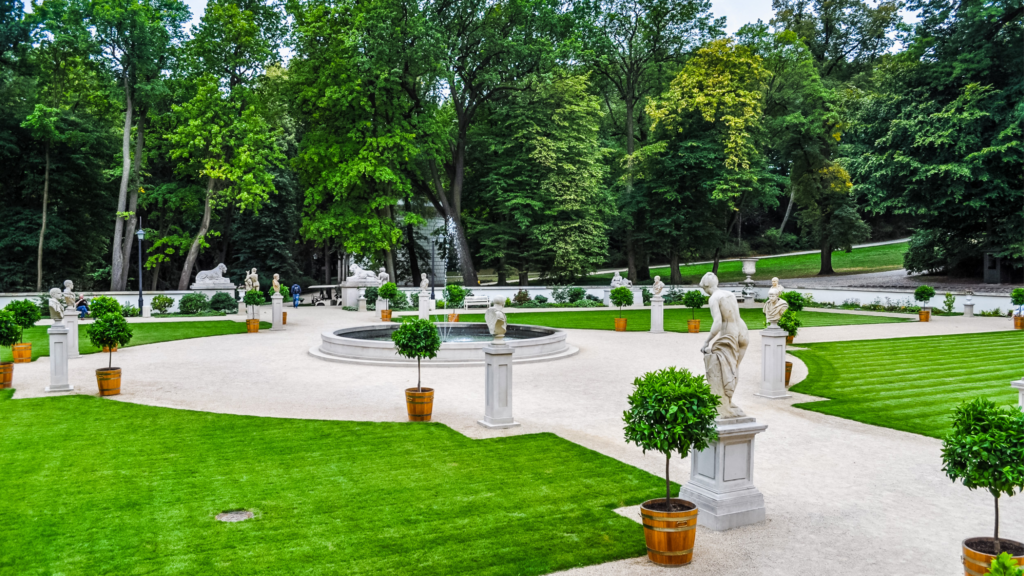
Respecting public property is a fundamental aspect of civic sense. Individuals should treat public spaces such as parks, railway stations, and recreational areas with care. It is important to dispose of waste properly and not litter. Public property belongs to the entire community; hence one should avoid vandalism. Public spaces are shared spaces. Individuals should refrain from damaging them and littering them.
b) Traffic Discipline
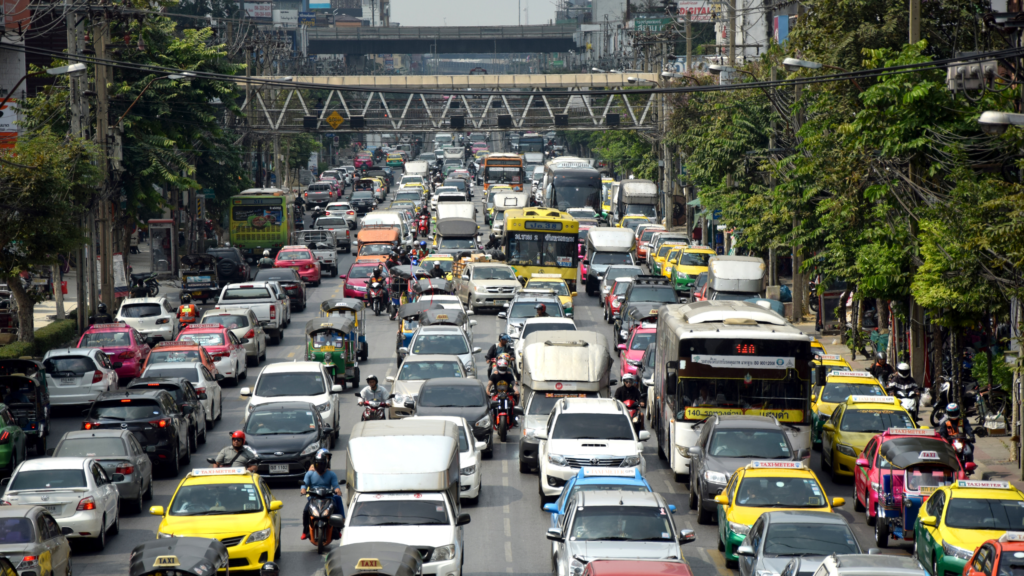
It is crucial to follow traffic rules and avoid rash driving. Traffic discipline ensures safety for all. For instance, obeying traffic signals, using pedestrian crossings, wearing seat belts, and avoiding honking displays civic sense. Careful driving and avoiding overspeeding show a sense of responsibility towards other citizens in the community.
c) Cleanliness
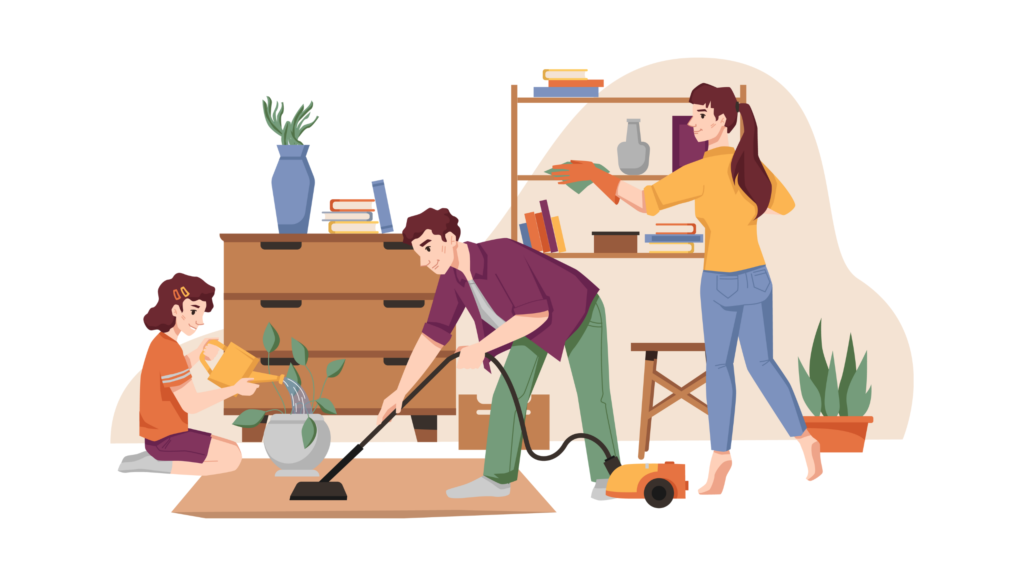
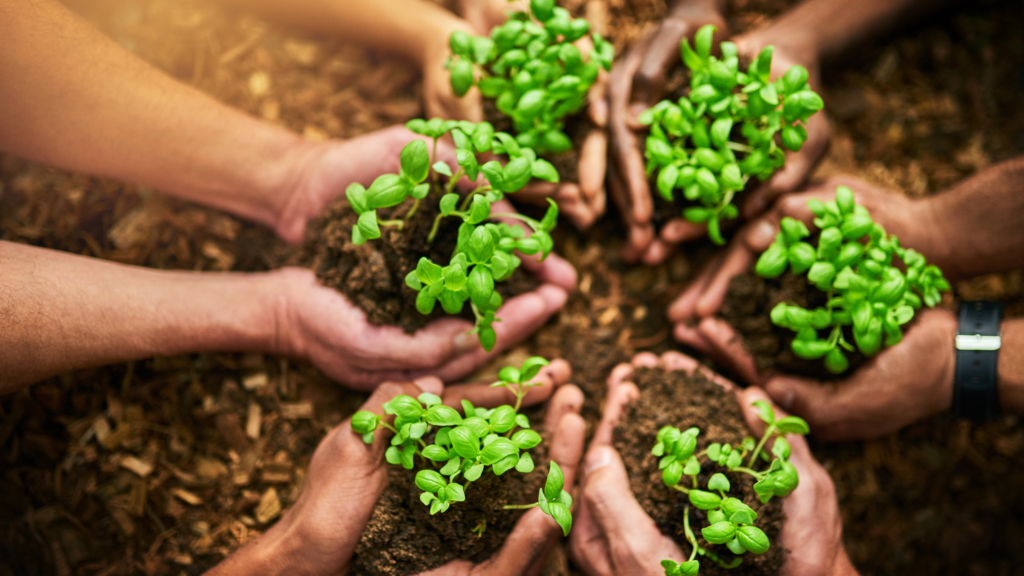
Proper waste management is a key factor in maintaining cleanliness in the society. Individuals should avoid spitting or urinating in public places. Participation in cleanliness drives and tree planting can help to create a greener environment. It is equally important to protect public buildings and monuments of historical importance. The use of public toilets should be encouraged
d) Respect for Others
Social etiquette is an important component of civic sense. Being courteous and respectful to others is important. Maintaining decorum in public spaces showcases civic sense. For example, avoid talking too loudly on the phone while traveling on public transport. Individuals should respect other people’s privacy. One can show courtesy by offering seats to those in need on a bus or train. Waiting patiently in the queue also shows consideration towards others.
e) Environmental Responsibility
Individual actions have a big impact on the environment. People should adopt best practices to avoid pollution. People have the power to become agents of positive change. Reducing waste generation and recycling waste can curtail environmental degradation. Water-saving techniques such as fixing leaks and adopting mindful water usage habits can help conserve water. People can dispose of hazardous waste such as batteries and electronics to prevent pollution. When people voluntarily participate in community activities, they develop a stronger sense of responsibility and contribute positively to society. We can protect the environment by reducing pollution, conserving natural resources, and making responsible choices about energy use.

3. Why Civic Sense is Important?
Civic sense is essential for multiple reasons.
- Firstly, it ensures that we live in a clean environment.
- Secondly, it develops mutual respect among people. People from different religions and cultural backgrounds can live in harmony.
- Thirdly, civic sense can lead to the effective functioning of public services. Community spirit develops a sense of belonging among individuals. Individuals should remember that public services run on the taxes given by people. It ensures the smooth functioning of democracy.
- Finally, it enhances the quality of life for everyone in the country. Nurturing civic sense promotes good citizenship. When people respect others, protect public property, become responsible for environmental issues, and maintain cleanliness they promote the well-being of all individuals in society.
4. Current Scenario and Challenges
- We can see that sometimes people don’t use public dustbins. They throw waste anywhere they want. One must make sure that garbage is disposed of properly.
- Honking is not reprimanded in India. But people misuse this and honk without thinking that it may annoy others. Loud honking is harmful to people and can cause stress, irritation, and noise pollution.
- Public parks are made for people for recreation. Sometimes they destroy the plants and benches in them.
- In the Delhi Metro, some people talk loudly on their mobile phones. This disturbs other people on the train.
- A recent stampede at Delhi railway station could have been avoided if people had civic sense. A wrong announcement was made which led to confusion. People rushed unnecessarily and showed indiscipline behaviour because of which 18 people lost their lives.

5. Challenges in Promoting Civic Sense
There are some common challenges in developing civic sense.
- People do not actively participate in civic affairs.
- Some societal divisions hinder cooperation among people.
- People lack awareness of civic sense and take things for granted.
- Increasing gap between the rich and the poor makes the poor struggle due to limited resources. Hence, they may not be concerned about other’s well-being and comfort.
So, these were the 5 surprising ways of developing civic sense in 2026. In 2026, we can protect public property like parks and railway stations, respect other people’s privacy, maintain cleanliness in society, and develop a greener environment by planting more trees.
How Can Students Develop Civic Sense?
Students can develop civic sense by learning to use technology responsibly, respecting academic rules, and considering how their actions affect others. Responsible use of technology is also an important part of being a responsible member of a community.
Students can develop civic sense in the following ways:
- Keep classrooms and school clean.
- Respect school property.
- Keep books borrowed from the library in good condition.
- Be kind to a student who is struggling in a particular subject.
- Wait patiently in queues and public places.
- Help others in community activities.
- Be kind to animals.
- Follow traffic rules.
Examples of Civic Sense in Everyday Life
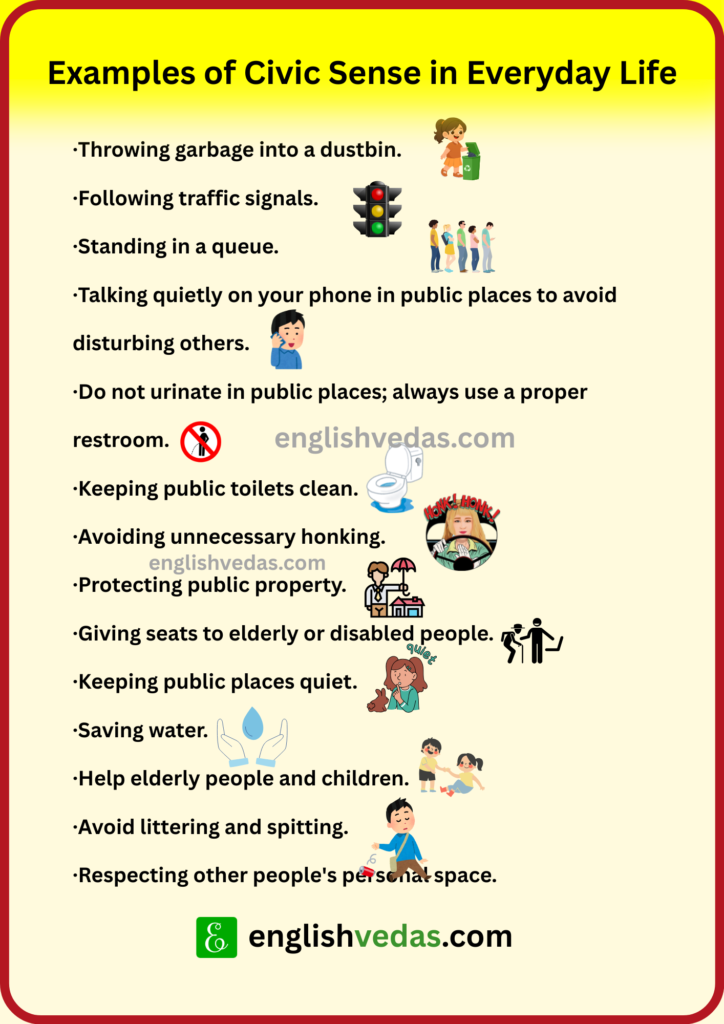
- Throwing garbage into a dustbin.
- Following traffic signals. You must follow traffic rules.
- Standing in a queue.
- Talking quietly on your phone in public places to avoid disturbing others.
- Do not urinate in public places; always use a proper restroom.
- Keeping public toilets clean.
- Avoiding unnecessary honking.
- Protecting public property.
- Giving seats to elderly or disabled people.
- Keeping public places quiet.
- Saving water.
- Help elderly people and children.
- Avoid littering and spitting.
- Respecting other people’s personal space.
People Also Ask:-
1. What is civic sense?
Civic sense refers to behaving responsibly in public spaces by following rules, protecting public property, and respecting others.
2. Why is civic sense important in daily life?
Civic sense is important because it helps people live in harmony, maintain cleanliness, protect public property, and improve the quality of life for everyone in the country.
3. How can we show civic sense in our community?
We can show civic sense by keeping our environment clean, adhering to traffic rules, respecting others, and by treating public spaces with care.
Also Read:-
- Homework: Should It Be Banned or Not? 5 Reasons for the Debate
- The Has Have Difference: 7 Surprising Facts You Never Knew
- Speak English Fluently from Home: 7 Proven Tips and Strategies
- Determiners Worksheet with Answers PDF | Easy Exercises | Free Download
- Uses of Modals for Class 5 | May, Might, Can, Could, Should & More with Examples
- Use of This, That, These, Those – 30 Example Sentences Worksheet for Class 1 (With Answers)

My name is Sukhjit Kaur, and I am an English educator with 17+ years of experience helping students master grammar and writing. Through EnglishVedas.com, I simplify English grammar using examples from daily life and classrooms. I’ve been analyzing English media for 17 years to help students understand how grammar lives in the real world.