

How to write August 15 2025 Independence Day Speech? Good Morning Everyone. I wish you all a happy Independence Day. Today, we are celebrating the 79th Independence Day of India. India became...
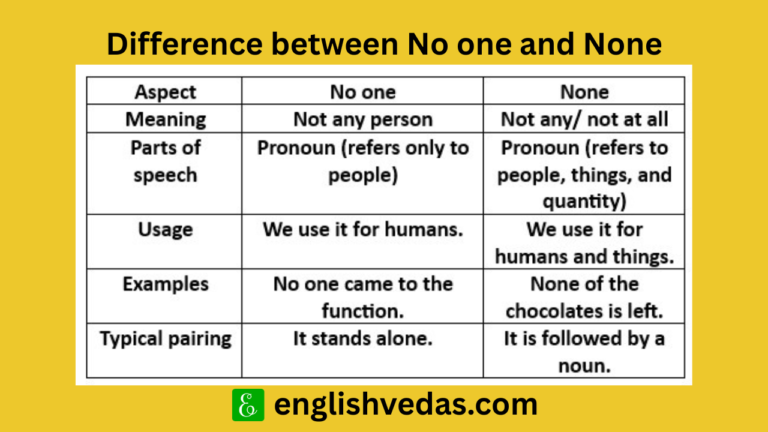
1. What is the difference between no one and none? No one No one knows about that man. None All the toys have been sold. There are none left. A: What excuses did he give? B: None. Difference between...
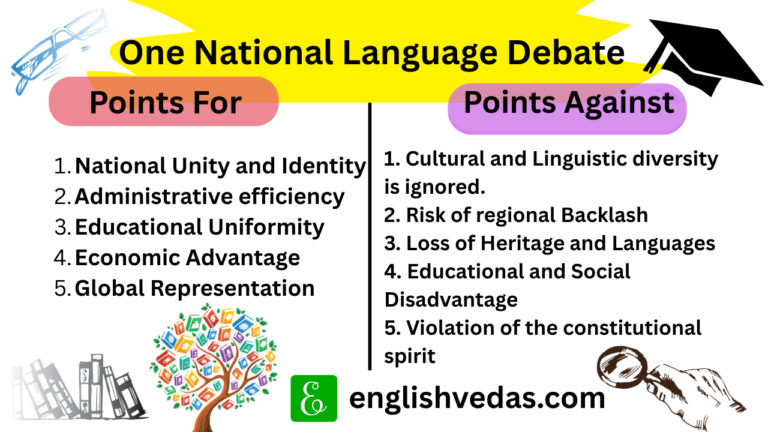
The debate on one national language is one of the most controversial debate. The debate is of key importance as the Indian constitution does not designate one language as the national language. Hindi...
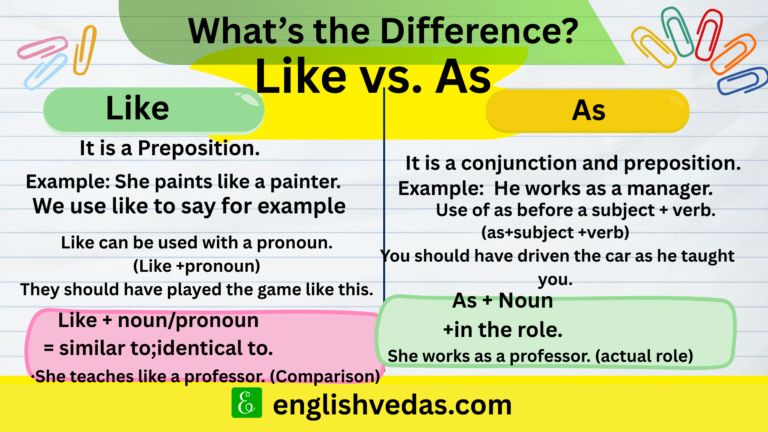
1. What is the Difference between Like and As? Like and as difference in English Grammar is explained in the following article along with its uses. “Like” means similar to, the same as, or identical...
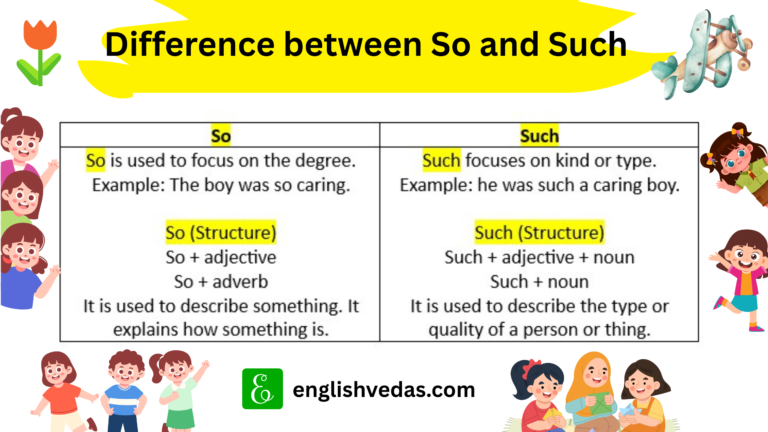
In this article, we will understand the difference between so and such and the use of so and such in English grammar. The difference between so and such is clearly explained with examples that...
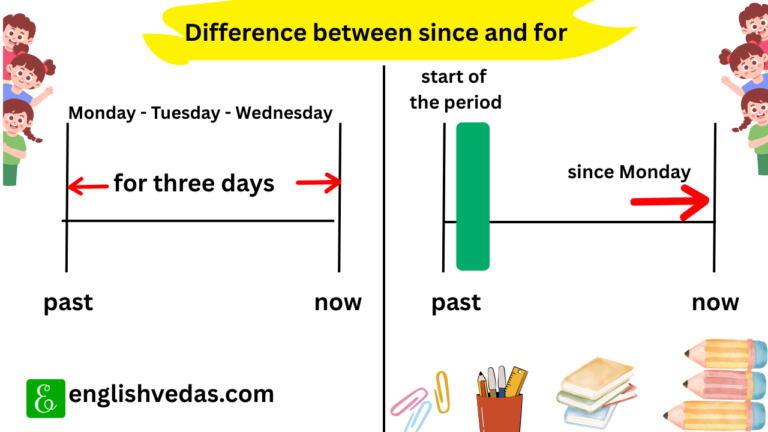
The difference between prepositions since and for in English grammar helps students to understand actions starting point of time, or the state of being. Both prepositions are used in the present...
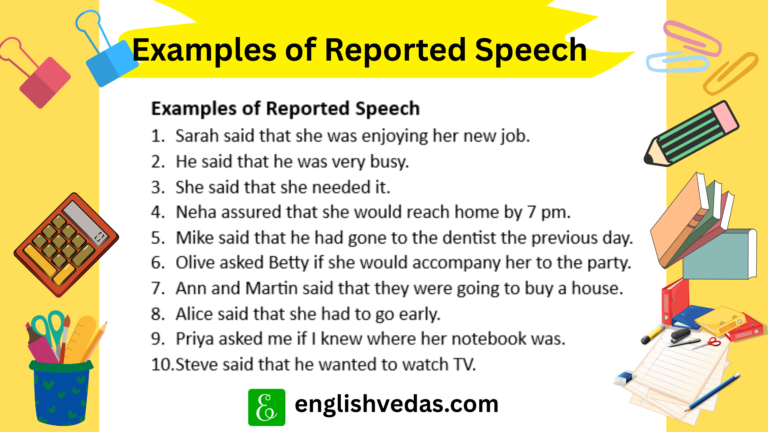
1. What is Reported Speech? Reported speech is the form of speech used to express what was said by a person at some point in time. This article will help you understand what reported speech is, when...
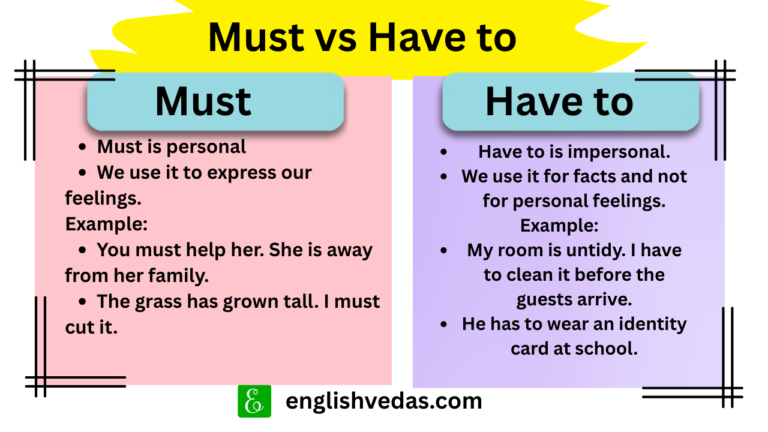
‘Must’ refers to advice that comes from a speaker. It indicates personal obligation, whereas ‘have to’ refers to a rule that a person must follow. It is an external...
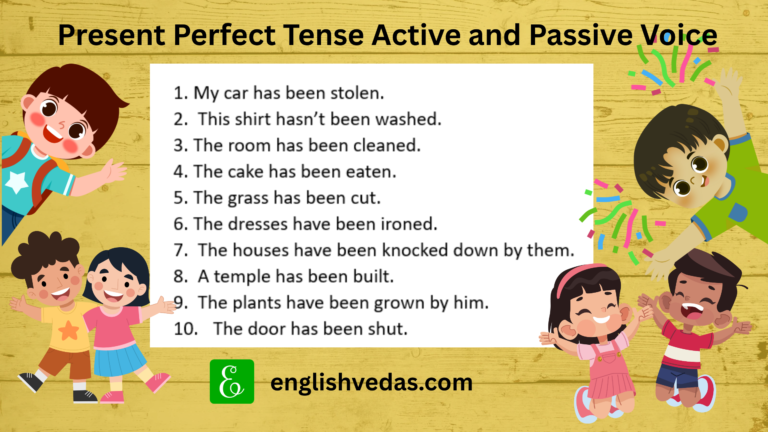
This article is about the Present Perfect Tense Active and Passive Voice exercise. This includes 50 example sentences in the exercise. 1. What is a Present Perfect Passive Sentence? A present perfect...