English Vedas Blog

Written by Sukhjit Kaur, English educator with 17+ years of experience helping students master grammar and writing. Through EnglishVedas.com, she simplifies English grammar using examples from daily life and classrooms.

Present Perfect Tense Active and Passive Voice Exercise

Present Perfect Tense Active and Passive Voice Exercise: 50 Sentences

This article is about the Present Perfect Tense Active and Passive Voice exercise. This includes 50 example sentences in the exercise. 1. What is a Present Perfect Passive Sentence? A present perfect passive sentence describes an action that has happened in the past but has a result in the present. The focus is on the […]

Present Perfect Tense Active and Passive Voice Exercise: 50 Sentences Read More »
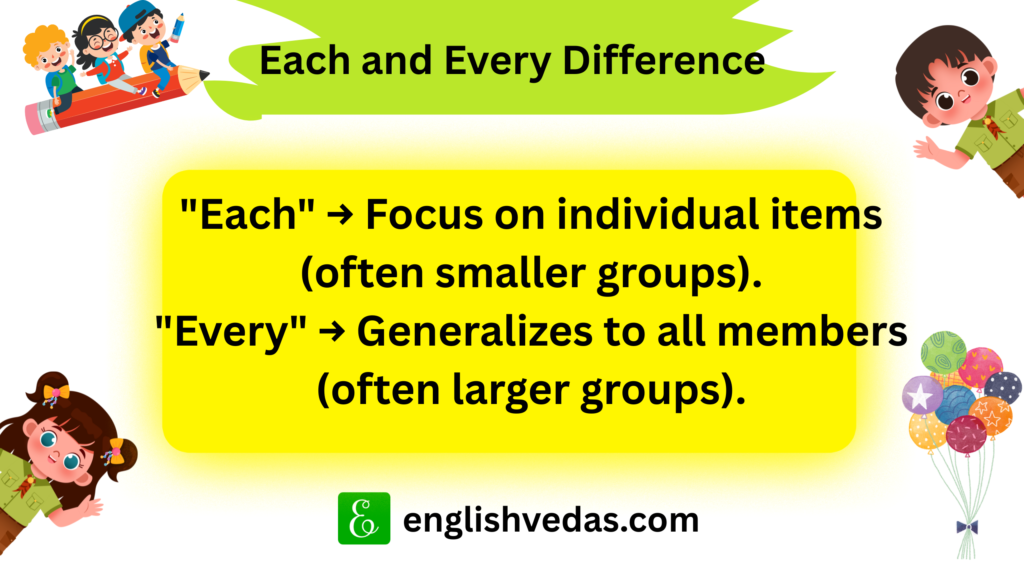
Each and Every Difference

Mastering Each and Every Difference Use 40 Example Sentences: Best

In this article you will learn how to use ‘each’ and ‘every’, difference between ‘each’ and ‘every’ with the help of 40 example sentences. Each and Every Difference We often use the words ‘each’ and ‘every’. ‘Each’ and ‘every’ are not the same. We use each when we think of things one by one. Each

Mastering Each and Every Difference Use 40 Example Sentences: Best Read More »

What is Social Media Vetting?

Exploring the Controversial Debate on Social Media Vetting in Today’s Digital Age: 4 Points

For a long time, America has been a beacon for international students. Recently, the Trump administration has pushed forward to monitor social media accounts of visa applicants. A vital step that will transform the immigration system. What is Social Media Vetting? Social media vetting is the process of monitoring an individual’s or organization’s social media

Exploring the Controversial Debate on Social Media Vetting in Today’s Digital Age: 4 Points Read More »

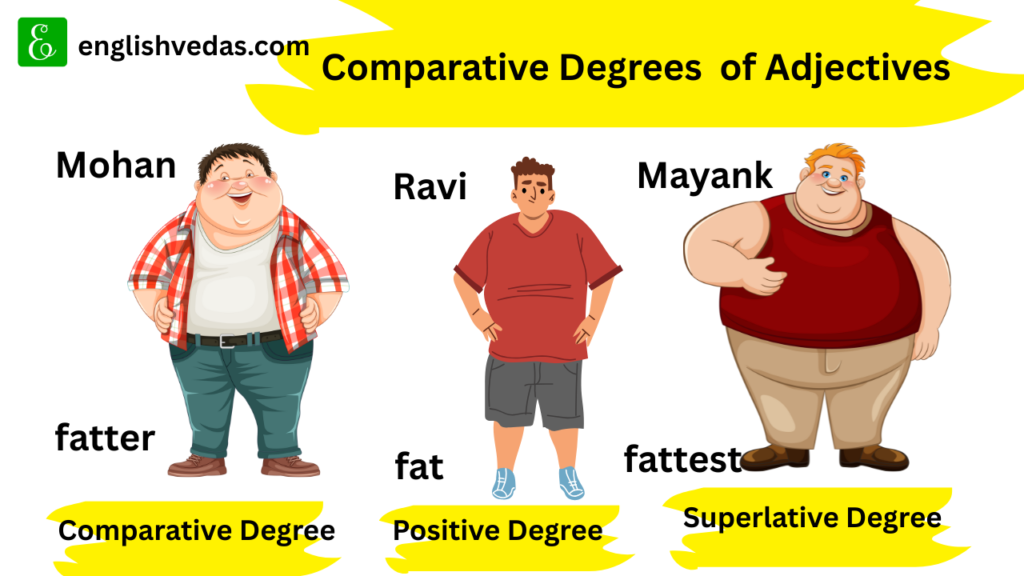
Comparative Degrees of Adjectives

Comparative Degrees of Bad, Good, Beautiful, Little, and Pretty with Examples: Simple

This article will help you understand and explore the Comparative Degrees of Bad, Good, Beautiful, Little, and Pretty with examples. The Comparative Degree, also known as the comparative form, is used to compare two things or persons, indicating that one has a higher or lower degree than the other. Read the following sentences: – If

Comparative Degrees of Bad, Good, Beautiful, Little, and Pretty with Examples: Simple Read More »

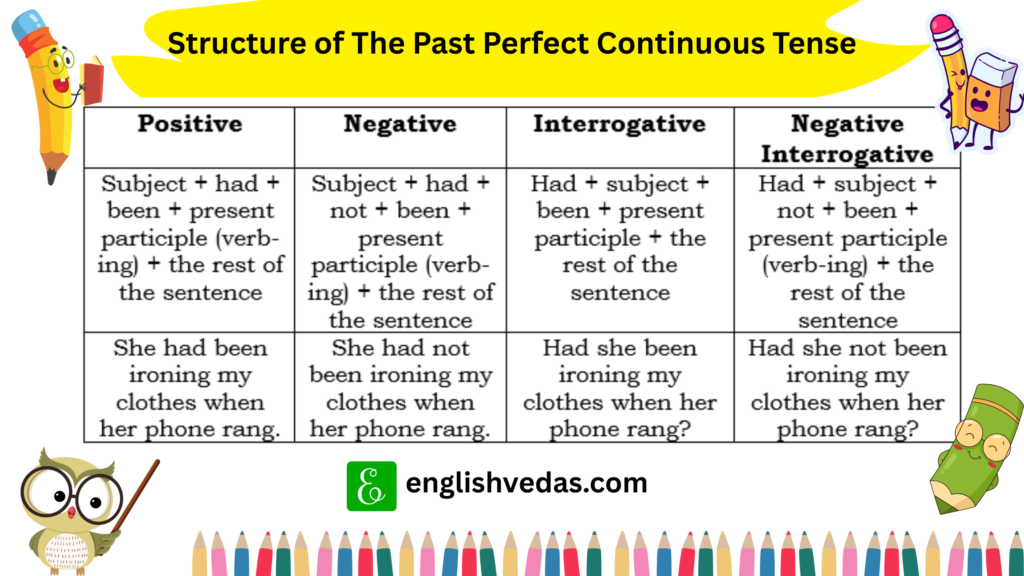
Structure of the Past Perfect Continuous Tense

Mastering the Past Perfect Continuous Tense: 100 Example Sentences and Exercises to Boost Your Grammar Skills

This article is about the Past Perfect Continuous Tense 100 examples, formula, structure, and exercises with answers. 1. What is the Past Perfect Continuous Tense? The Past Perfect Continuous tense means an action that began before a certain point in the past and continued up to that time. Example: At that time, she had been

Mastering the Past Perfect Continuous Tense: 100 Example Sentences and Exercises to Boost Your Grammar Skills Read More »

Example Sentences of Future Perfect Tense

The Future Perfect Tense: 100 Examples Sentences |Structure & Their Formula!|

This article concerns the Future Perfect Tense 100 examples, sentences, formula, and structure. Along with the formula, the structure of the Future Perfect Tense is explained, which makes it clear when the students can use this tense. 1. What is the Future Perfect Tense? We use the future perfect tense to indicate the completion of

The Future Perfect Tense: 100 Examples Sentences |Structure & Their Formula!| Read More »

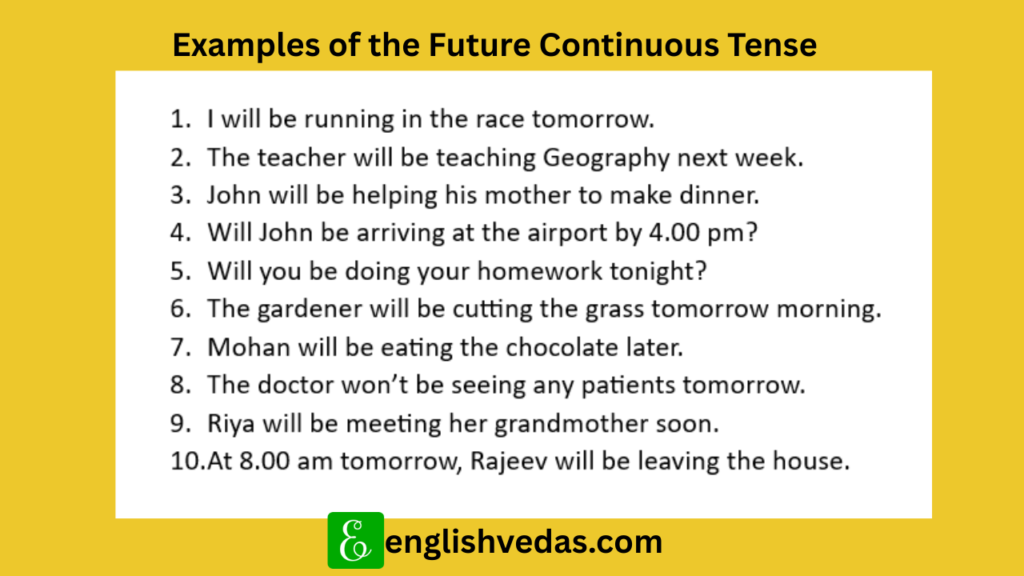
Examples of Future Continuous Tense

100 Powerful Examples of Future Continuous Tense and Structure

This article is about the Future Continuous Tense and its 100 examples, which are explained in detail with the structure. What is the Future Continuous Tense? The Future Continuous Tense refers to an action going on at some time in the future. Example: I shall be writing a book then. When I get home, my

100 Powerful Examples of Future Continuous Tense and Structure Read More »

at on in

At On In: Difference Worksheet Exercises That Make Learning Easy and Simple!

The at on in difference is clearly explained with the help of examples. This article will teach the difference between at, on, and in. The exercises and the worksheet make learning easy. What is the Difference between at, on and in? The difference between at, on and in is explained below with examples. At 7

At On In: Difference Worksheet Exercises That Make Learning Easy and Simple! Read More »

Question Tags Examples

Question Tags with Answers, 60 Examples and Rules: Simple

What are question tags? You can use Have you? Can’t she? Are they? etc. at the end of a sentence. These mini question are tags. Question Tags Rules Remember, a positive sentence will have a negative question tag. A negative sentence will have a positive question tag. Positive Sentence + Negative Tag John will see

Question Tags with Answers, 60 Examples and Rules: Simple Read More »

Scroll to Top